



What Can AI Actually Do for My Business? 8 Real Examples.

Home  »  Blog  »  AI  »  What Can...

By Rob Conella   |   June 8, 2026   |   0 Comments


AI Basics for Business

What Can AI Actually Do for My Business? Real Examples, Plain English.

What can AI do for small business? No buzzwords, no hype  just real examples from real businesses and plain English explanations of how it works.

By aNetworks, Inc.  |  June 8, 2026  |  9-minute read

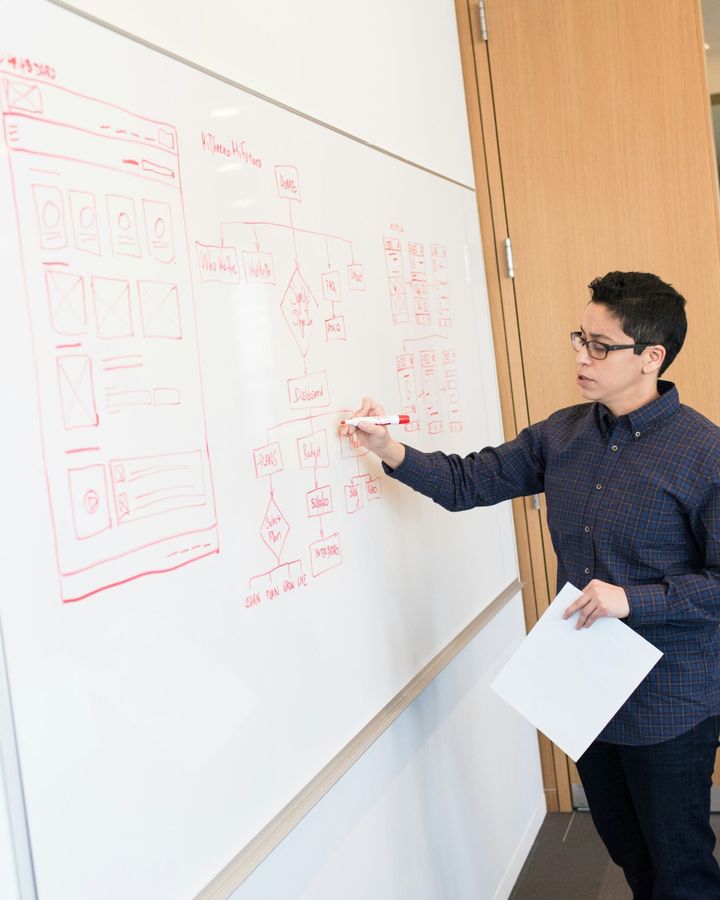
Small business owner learning about AI tools with their team in a practical office setting

AI is already working in businesses just like yours, here’s what that actually looks like.

What can AI do for small business? That’s the question we hear most often at our webinars, usually from someone who’s curious but a little skeptical, and who’s tired of hearing about AI in abstract terms without anyone showing them what it actually looks like in practice.

So that’s what this post is. No jargon. No buzzwords. Just real examples of what AI is doing right now for small businesses – law firms, medical offices, contractors, real estate agencies, accounting firms and plain English explanations of how it works.

If you’ve ever sat in a presentation about AI and thought “okay, but what would this actually do for me?” This one’s for you.

The Short Answer

AI for small business means using software to handle repetitive, time-consuming tasks so your team can focus on the work that actually needs a human. It’s not robots, and it’s not science fiction. Think of it as software that handles the repetitive work automatically, like sending a follow-up email when a client fills out a form, or getting a report delivered to your inbox every Monday morning without anyone having to build it.

91%
of small businesses using AI report revenue increases
(Salesforce, 2025)
76%
of small businesses are actively using AI or exploring it right now
(Reimagine Main Street, 2025)
82%
of very small businesses think AI doesn’t apply to them, but it does
(U.S. Chamber of Commerce)

First, What Is AI, Really?

Let’s clear this up before anything else, because a lot of the confusion around AI comes from the way it gets described.

AI (artificial intelligence) is software that can do things that used to require a human brain. Reading and responding to emails. Recognizing patterns in data. Answering questions. Routing information from one place to another based on rules you set. Generating a first draft of a document. Sending reminders at the right time.

It is not a robot that replaces your staff. It is not something that requires a computer science degree to set up. And it is not only for large companies with big IT budgets. The tools available in 2026 are designed to work for businesses with 5 people as easily as businesses with 500.

“The most useful way to think about AI for your business is this: what does your team do every week that’s repetitive, time-consuming, and doesn’t actually require their judgment? That’s where AI starts.”

If you use Microsoft 365 which includes Outlook, Word, Excel, and Teams, you already have access to AI tools right now. Most businesses just haven’t turned them on or learned what they can do. We’ll come back to that.

What Can AI Do for Small Business? 8 Real Examples

Here are eight real-world scenarios. These aren’t hypothetical, they’re the types of automations we build and configure for businesses in southern Massachusetts every month. The business names are fictional but the situations are real.

Accounting Firm

New Client Intake: Automated

The old way: When a new client reached out, the front desk would email them a PDF intake form. The client would fill it out, scan it, and email it back. Someone would then manually re-enter the information into the firm’s practice management software. This took about 45 minutes per new client and introduced errors regularly.

The AI way: A prospective client fills out a form on the website. The moment they submit it, AI automatically creates their record in the practice management system, sends them a welcome email with next steps, and notifies the assigned accountant. Nobody touches it manually.

Result: 45 minutes of manual work per client reduced to zero. Errors eliminated. Clients get a response in seconds instead of hours.

Medical Practice

Appointment Reminders: No More No-Shows

The old way: A medical practice with 3 providers was losing roughly 8 appointments per week to no-shows. The front desk was supposed to call patients 48 hours in advance to confirm, but with everything else going on, calls often didn’t happen or went to voicemail with no follow-up.

The AI way: An automated workflow sends a text reminder 72 hours before the appointment, another 24 hours before, and asks the patient to confirm with a simple reply. If they don’t confirm, the system flags it for the front desk. If they cancel, the slot automatically opens for scheduling.

Result: No-shows dropped by more than half. The front desk stopped spending mornings on confirmation calls. Recovered appointment slots generated meaningful additional revenue.

Law Firm

Contract Review: Hours to Minutes

The old way: A small law firm was spending 2–3 hours per contract doing initial review, reading through standard agreements to flag missing clauses, inconsistent terms, or unusual language before the attorney could assess them.

The AI way: An AI tool does the initial pass, reading the document, flagging sections that deviate from standard language, and producing a summary with specific questions for the attorney to address. The attorney reviews the summary and the flagged sections, not the entire document.

Result: Initial review time cut from 2–3 hours to under 30 minutes. Attorneys focus on judgment calls, the work only they can do instead of reading boilerplate.

Construction Company

Invoice Approvals: No More Bottlenecks

The old way: A general contractor with 22 employees processed invoices by email. Subcontractors would email invoices, the project manager would forward them to the owner for approval, the owner would approve and forward to the bookkeeper, who would enter them manually. Invoices regularly sat for a week or more waiting on someone.

The AI way: Subcontractors submit invoices through a simple form. The system automatically routes each invoice to the right project manager based on the job number, sends an approval request with one-click approve or flag options, and notifies the bookkeeper the moment it’s approved. Everything is logged automatically.

Result: Average invoice processing time dropped from 8 days to under 24 hours. The owner stopped being a bottleneck. Subcontractors stopped calling to ask where their payment was.

Real Estate Office

Lead Follow-Up: Never Drop the Ball Again

The old way: A real estate office was getting leads from their website, Zillow, and referrals, but follow-up was inconsistent. Busy agents would sometimes respond within hours; other times a lead would sit for two days before anyone called. Research consistently shows that response time is one of the top factors in converting real estate leads.

The AI way: Every new lead triggers an immediate automated response, a personalized email acknowledging their inquiry, asking a few qualifying questions, and letting them know an agent will be in touch within the hour. The lead is simultaneously assigned to an agent and added to the CRM. The agent gets a notification with the lead’s details before they even open their email.

Result: Response time went from hours to seconds. Lead conversion improved significantly. Agents spend their time on qualified conversations, not chasing down who got which lead.

Dental Practice

Insurance Verification: Off the Front Desk’s Plate

The old way: A dental practice with two hygienists and one dentist spent roughly 90 minutes each morning verifying insurance for the day’s patients, calling insurance companies, sitting on hold, checking eligibility, and entering the information manually into the practice management system.

The AI way: An automated verification tool runs eligibility checks the night before for every patient scheduled the following day. Results are automatically entered into the system. The front desk reviews exceptions, the cases where something is flagged, instead of processing every single patient from scratch.

Result: 90-minute morning task reduced to a 10-minute review of exceptions. Front desk staff redirected to patient experience. Fewer billing surprises for patients at checkout.

Any Business

Weekly Reporting: Delivered Automatically

The old way: Every Friday afternoon, someone on the team pulls numbers from three different places, a spreadsheet, a CRM, and a billing system then compiles them into a report, formats it, and emails it to leadership. It takes about two hours. It’s nobody’s favorite task. And if that person is out, it doesn’t happen.

The AI way: An automated workflow pulls the data from all three sources at a scheduled time, compiles it into a formatted report, and emails it to the right people every week, without fail, without anyone touching it.

Result: Two hours of weekly work eliminated. Report goes out consistently whether or not the person who used to do it is in the office. Leadership gets better data faster.

Any Business

New Employee Onboarding: Consistent Every Time

The old way: When a new hire starts, someone in the office has to remember to request their laptop, set up their email, get them into the right systems, send the HR paperwork, schedule their first-week meetings, and introduce them to the team. It’s a checklist that lives in someone’s head and things get missed, especially during busy periods.

The AI way: The moment a new hire is added to the HR system, an automated workflow kicks off, IT gets a request to set up the laptop and accounts, HR receives the paperwork to send, the manager gets a reminder to schedule the first-week meetings, and the new employee gets a welcome email with everything they need to know before day one.

Result: Nothing gets missed. New employees have a consistent, professional experience from day one. The person who used to manage the checklist from memory gets that time back.

Diagram showing how an automated AI workflow connects a client form submission to multiple business systems
A single form submission can trigger a chain of automated actions, no manual steps required.

The Two Things People Get Wrong About AI

“We’re too small for this.”

This is the most common thing we hear and it’s almost always wrong. 82% of very small businesses believe AI doesn’t apply to them. But the examples above include businesses with fewer than 10 employees. The tools available in 2026 are specifically designed for small teams. In fact, small businesses often see faster results from AI than large ones because they have less bureaucracy slowing down implementation and more direct visibility into where the time goes.

“It sounds complicated to set up.”

Some of it is, which is why you’d work with someone who knows what they’re doing. But a lot of what makes AI feel complicated is unfamiliarity, not actual complexity. The appointment reminder example above? That’s a straightforward automation that can be configured in a day. The invoice routing workflow? A week, maybe two. You don’t need to understand how AI works under the hood any more than you need to understand how your accounting software calculates depreciation. You just need to know what you want it to do.

A note on security: A question we always get is “Is it safe to use AI with our client data?” The honest answer is: it depends on how you set it up. Tools that run inside your Microsoft 365 environment, Power Automate and Copilot keep your data inside your own tenant. Public AI tools like the free version of ChatGPT are a different story. The first step is knowing what your team is already using and putting clear guidelines in place. This is something an AI readiness assessment will surface specifically for your situation.

What Might AI Do for Your Business Specifically?

That’s the right question, and it’s one we can’t answer generically, because every business is different. The accounting firm’s biggest time sink is different from the contractor’s. The medical practice’s highest-risk manual process is different from the real estate office’s.

What we can tell you is how to find out. The starting point is a simple assessment of where your business actually stands, what processes you’re running manually, what data you have to work with, what tools you’re already paying for that have AI capability built in, and where the highest-value opportunities are for your specific situation.

That’s exactly what our AI Readiness Assessment is designed to do. It takes about 10 minutes, it’s free, and it gives you a specific, prioritized picture of where AI can help your business, not a generic overview of what AI can do in theory.

Business owner and operations manager reviewing AI readiness assessment results together
The right starting point is a clear picture of your specific situation, not a generic AI checklist.

Find Out What AI Can Do for Your Business

Take the free aNetworks AI Readiness Assessment. 10 minutes. Scored results across five dimensions. Specific recommendations for your business, not generic advice.

Take the Free Assessment →
Free. No sales call required. You keep the report.

Not ready for an assessment yet? That’s fine too. If you want to talk through what AI might look like for your specific business before you do anything formal, reach out to us directly at help@anetworks.com. We’re happy to have a no-pressure conversation about where to start.

Questions We Hear at Every Webinar

What can AI do for small business that it couldn’t do a few years ago?

The biggest shift is accessibility. Two or three years ago, most of these automations required a developer and a significant budget. Today, tools like Microsoft Power Automate, built into Microsoft 365, let you build sophisticated workflows without writing a single line of code. The capability was always there but the barrier to entry has dropped dramatically.

How much does it cost to set up AI for a small business?

It depends heavily on what you’re building. If you’re using tools already included in Microsoft 365, the software cost is zero, you’re already paying for it. A single well-scoped automation typically runs $2,500–$7,500 to build and deploy, and pays for itself within weeks based on the labor it replaces. We provide fixed-price quotes so there are no surprises.

Will AI replace my employees?

Not in the way most people fear. What AI replaces is specific tasks, the repetitive, time-consuming work that doesn’t require human judgment. What it frees up is your team’s time to do the things that actually require them: client relationships, problem-solving, decisions, and the work that makes your business worth choosing. Most businesses that deploy AI don’t reduce headcount, they redirect existing capacity toward growth.

What if something breaks or stops working?

This is a legitimate concern and one reason having an MSP manage your automations matters. Workflows can break when a connected system updates or a process changes. Under our Tier 3 Automation Management service, we monitor your automations, catch issues before they affect your business, and keep everything running as your systems evolve.

Where do I start if I want to explore AI for my business?

The best starting point is understanding where you actually stand, which processes are automatable, what your data looks like, and what tools you already have access to. Our free AI Readiness Assessment at ai-readiness.anetworks.net does exactly that in about 10 minutes. Or reach out to us directly and we can talk it through first.

aN

aNetworks, Inc.

aNetworks is a managed IT services provider based in Norwell, Massachusetts, serving small and mid-sized businesses across southern Massachusetts since 1997. We handle IT infrastructure, cybersecurity, Microsoft 365, and custom application development, and we help our clients figure out what AI can do for their small business with practical strategies that produce real results. Questions? Reach us at info@anetworks.com or visit anetworks.com.


Category: AI, Cyber Security